A How-To Guide For Wooden Window Repair From Start To Finish


The Art of Wooden Window Repair: A Comprehensive Guide
Wood windows have actually been a sign of standard appeal and craftsmanship for centuries, enhancing homes with their sophisticated designs and natural warmth. However, like any other part of a home, wooden windows require routine maintenance and periodic repair to maintain their aesthetic appeal and performance. This article explores the procedure of wood window repair, providing useful suggestions and insights to assist property owners maintain their windows and protect the character of their homes.
Comprehending the Importance of Wooden Window Repair
Wooden windows are more than just openings in a wall; they are important to the overall structure and energy performance of a home. In time, direct exposure to the components, wear and tear, and absence of upkeep can cause numerous concerns such as rot, warping, and drafts. Repairing these concerns without delay not just extends the life of the windows but likewise improves the home's insulation, minimizes energy expenses, and protects its historic worth.
Common Issues with Wooden Windows
Before diving into the repair process, it's necessary to recognize the typical issues that wood windows face:
- Rot and Decay: Water infiltration can cause wood to rot, compromising the window frame and making it susceptible to further damage.
- Warping: Exposure to extreme temperature levels and humidity can trigger wood windows to warp, resulting in gaps and misalignment.
- Drafts: Gaps in between the window and the frame can permit cold air to enter, increasing heating expenses and lowering comfort.
- Paint and Finish Deterioration: Peeling paint and broken down surfaces can expose the wood to wetness and insects.
- Sticking or Hard-to-Open Windows: Accumulated dirt and debris can make it difficult to open and close windows efficiently.
- Seal Failure: The seal between the window and the glass can fail, resulting in water leaks and fogging.
Step-by-Step Guide to Wooden Window Repair
Fixing wood windows can be a fulfilling DIY task for those with fundamental carpentry abilities. Here's a step-by-step guide to assist you begin:
1. Assess the Damage
- Examine the Window: Look for indications of rot, warping, drafts, and other issues.
- Identify the Specific Problem: Determine whether the concern is small (such as a little crack) or significant (like substantial rot).
2. Gather Materials and Tools
- Materials: Wood filler, epoxy, paint, guide, wood sealant, window caulking, weatherstripping, and replacement glass (if needed).
- Tools: Screwdriver, chisel, energy knife, sander, paintbrush, caulk weapon, and drill.
3. Tidy the Window
- Remove Old Paint: Use a paint scraper or heat gun to remove any loose or peeling paint.
- Clean the Surface: Wash the window with a solution of warm water and moderate detergent. Dry thoroughly.
- Sand the Wood: Sand the surface to prepare it for painting or sealing. Utilize a fine-grit sandpaper for a smooth surface.
4. Repair Rot and Decay
- Eliminate Rotted Wood: Use a sculpt to carefully remove all decayed wood. Dig out the decay up until you reach strong wood.
- Apply Wood Hardener: Apply a wood hardener to the staying wood to enhance it. Follow the manufacturer's directions.
- Fill the Gaps: Use a wood filler or epoxy to fill out the gaps left by the eliminated wood. Smooth the filler with a putty knife and enable it to dry.
- Sand and Prime: Once the filler is dry, sand it smooth and use a coat of guide to seal the surface area.
5. Address Warping
- Moisture Control: Ensure that the location around the window is well-ventilated to prevent further warping.
- Correct the alignment of the Frame: If the warping is minor, you can try to correct the alignment of the frame utilizing a block of wood and a rubber mallet. Tap the frame gently to realign it.
- Replace the Frame: For extreme warping, it may be necessary to replace the whole window frame.
6. Fix Drafts
- Seal Gaps: Use a caulk gun to use window caulking around the edges of the window frame. This will help prevent air leakages.
- Install Weatherstripping: Cut weatherstripping to fit around the window sash and press it into place. This will provide an additional barrier against drafts.
7. Repair Sticking Windows
- Oil the Tracks: Apply a silicone-based lube to the window tracks to help the sash move more smoothly.
- Change the Hardware: Check and adjust the window hardware, such as hinges and locks, to ensure proper alignment.
- Eliminate Obstacles: Clear any debris or dirt that may be triggering the window to stick.
8. Replace Broken Glass
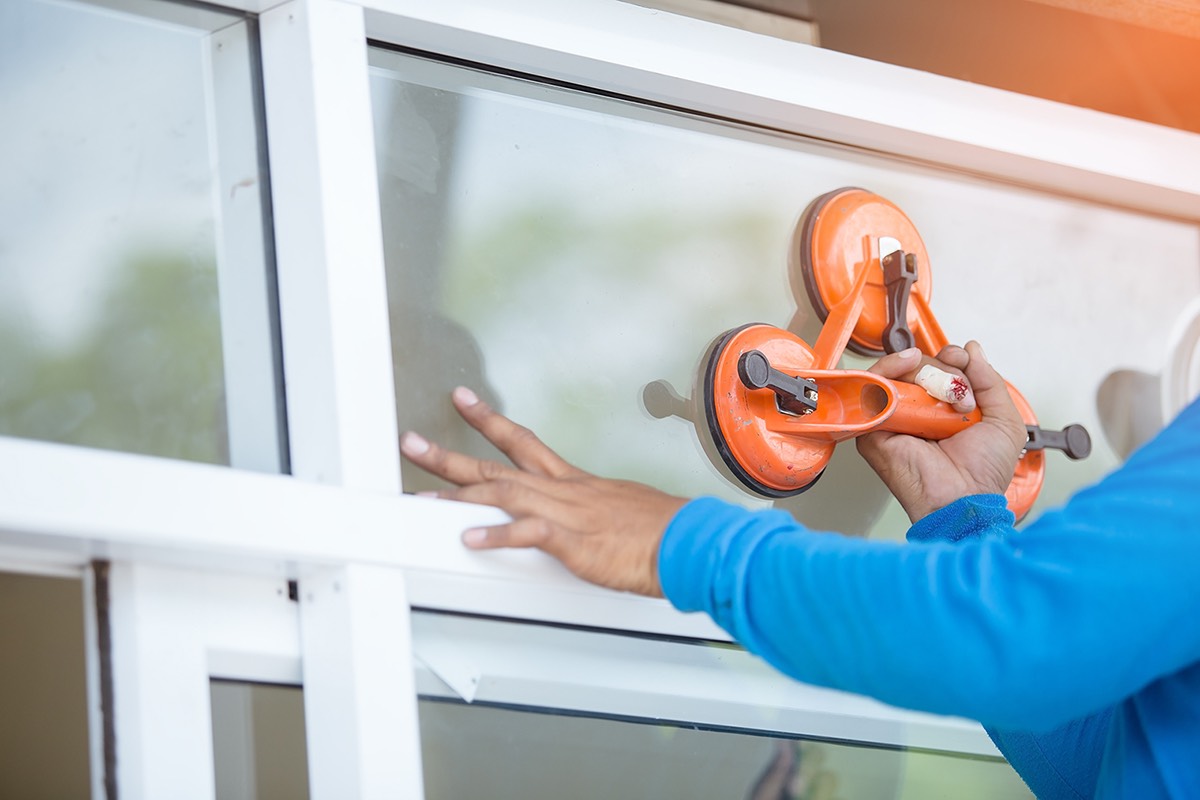
- Get Rid Of the Old Glass: Carefully remove the old glass using an utility knife to cut away the glazing compound. Raise the glass out gently.
- Install New Glass: Cut a new piece of glass to fit the opening. redirected here glazing substance around the edges and press the new glass into location.
- Secure the Glass: Use glazing indicate hold the glass in location while the substance dries. Use a last coat of glazing compound and smooth it with a putty knife.
9. Paint and Seal
- Use Paint: Once the repairs are complete, use a premium outside paint to the window. Multiple thin coats are much better than one thick coat to guarantee an even finish.
- Seal the Wood: Apply a wood sealant to safeguard the window from moisture and UV damage. This will extend the life of the wood and preserve its look.
Tips for Maintaining Wooden Windows
Routine maintenance can avoid lots of typical issues and extend the life of your wooden windows. Here are some pointers to keep your windows in good condition:
- Inspect Regularly: Conduct a comprehensive assessment of your windows a minimum of as soon as a year to capture problems early.
- Keep Clean: Clean your windows and the surrounding area to avoid the accumulation of dirt and debris.
- Preserve Paint: Repaint or recoat your windows as required to safeguard the wood from moisture and sun damage.
- Control Moisture: Ensure appropriate drainage around your house to avoid water from pooling near the windows. Utilize a dehumidifier if required.
- Use Quality Materials: Invest in high-quality wood fillers, sealants, and paints to ensure lasting repairs.
Frequently asked questions
Q: How often should I examine my wooden windows?A: It's suggested to examine wood windows a minimum of as soon as a year, preferably throughout the spring or fall. This allows you to catch any issues early and resolve them before they end up being significant issues.
Q: Can I repair a severely rotted wood window myself?A: While minor repairs can be done DIY, significantly rotted windows might need professional assistance. If the damage is substantial, it's finest to speak with a carpenter or window repair expert to make sure the repair is done properly and safely.
Q: What type of paint should I use for wooden windows?A: Use a high-quality outside paint particularly designed for wood. Oil-based paints offer much better security versus moisture and are more long lasting, but water-based paints are simpler to apply and tidy up.
Q: How can I avoid my wooden windows from contorting?A: To avoid warping, preserve appropriate ventilation around the windows, control indoor humidity, and guarantee that the wood is well-sealed and painted. Avoid exposing the windows to severe temperature modifications and direct sunlight for extended periods.
Q: What is the very best method to fix a drafty window?A: The best method to repair a drafty window is to seal any gaps with window caulking and install weatherstripping around the sash. Guarantee that the weatherstripping is applied properly to supply an efficient barrier versus drafts.
Q: Can I replace the glass in a wood window myself?A: Yes, you can replace the glass in a wood window yourself. However, it needs cautious handling and using glazing substance and glazing points. If you're not comfy with the process, consider employing a professional.
Wooden window repair is an ability that can save homeowners cash and preserve the beauty and performance of their windows. By following the actions detailed in this guide and preserving a routine evaluation and maintenance regimen, homeowners can make sure that their wood windows remain a source of pride and comfort for years to come. Whether you're tackling a small repair or a more substantial repair, the secret is to approach the job with care and attention to information. With the ideal products and tools, you can breathe brand-new life into your wooden windows and keep them in top condition.
Additional Resources
- Books: "The Homeowner's Guide to Window Repair" by John Leeke
- Websites: Old House Journal
- Videos: Search for "wood window repair tutorials" on YouTube for visual assistance
By making the effort to understand and attend to the typical problems that wooden windows deal with, property owners can enjoy the timeless appeal and functionality of their windows while conserving money and increasing the worth of their homes.